Eid al-Adha, known as the "Festival of Sacrifice," is the second and most significant of the two main holidays celebrated in Islam. As the climax of the Hajj pilgrimage season, it is a time of immense spiritual importance, charity, and global unity for Muslims.
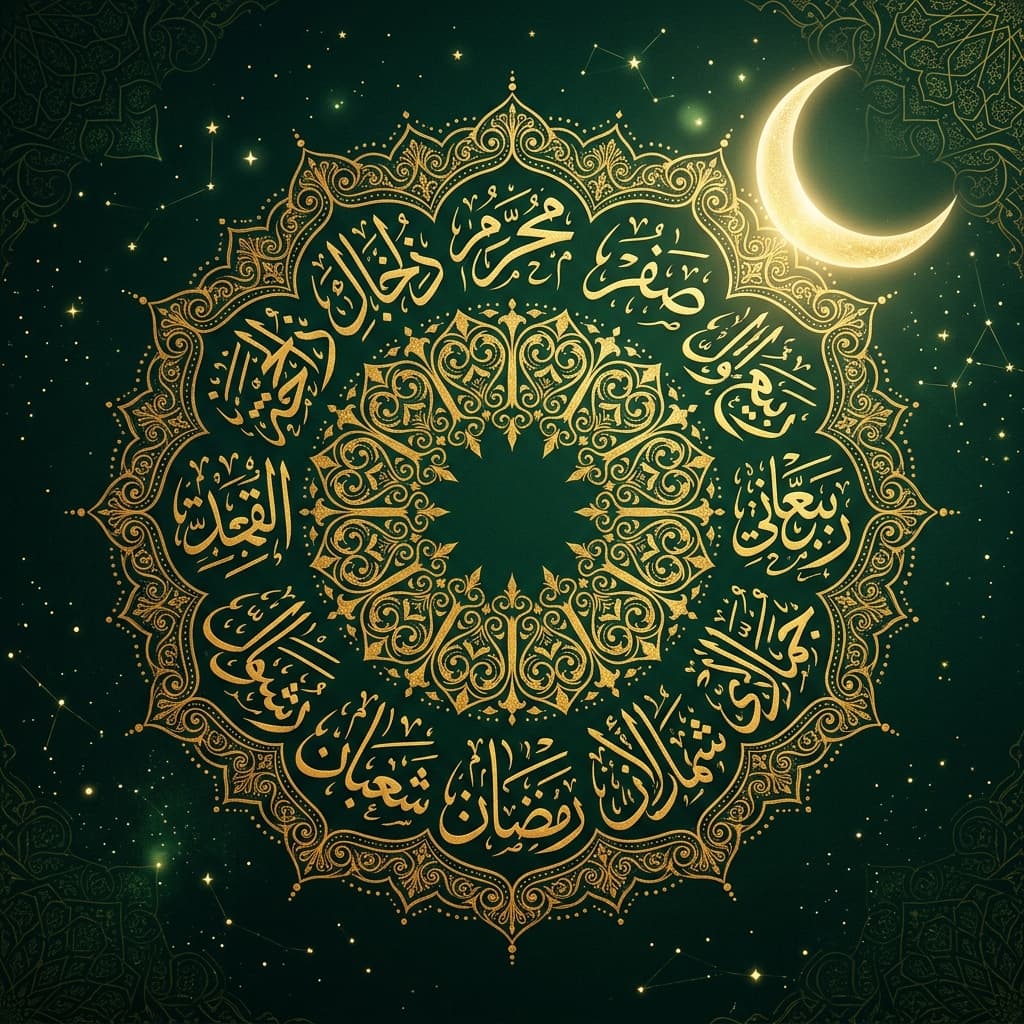
Note: As the Islamic calendar is strictly lunar, these dates are provisional and depend on the physical sighting of the new moon of Dhul Hijjah.
What is Eid al-Adha?
Eid al-Adha (عيد الأضحى) translates to the "Festival of the Sacrifice." It commemorates the profound obedience of the Prophet Ibrahim (Abraham) when he was commanded by Allah in a dream to sacrifice his beloved son, Ismail (Ishmael).
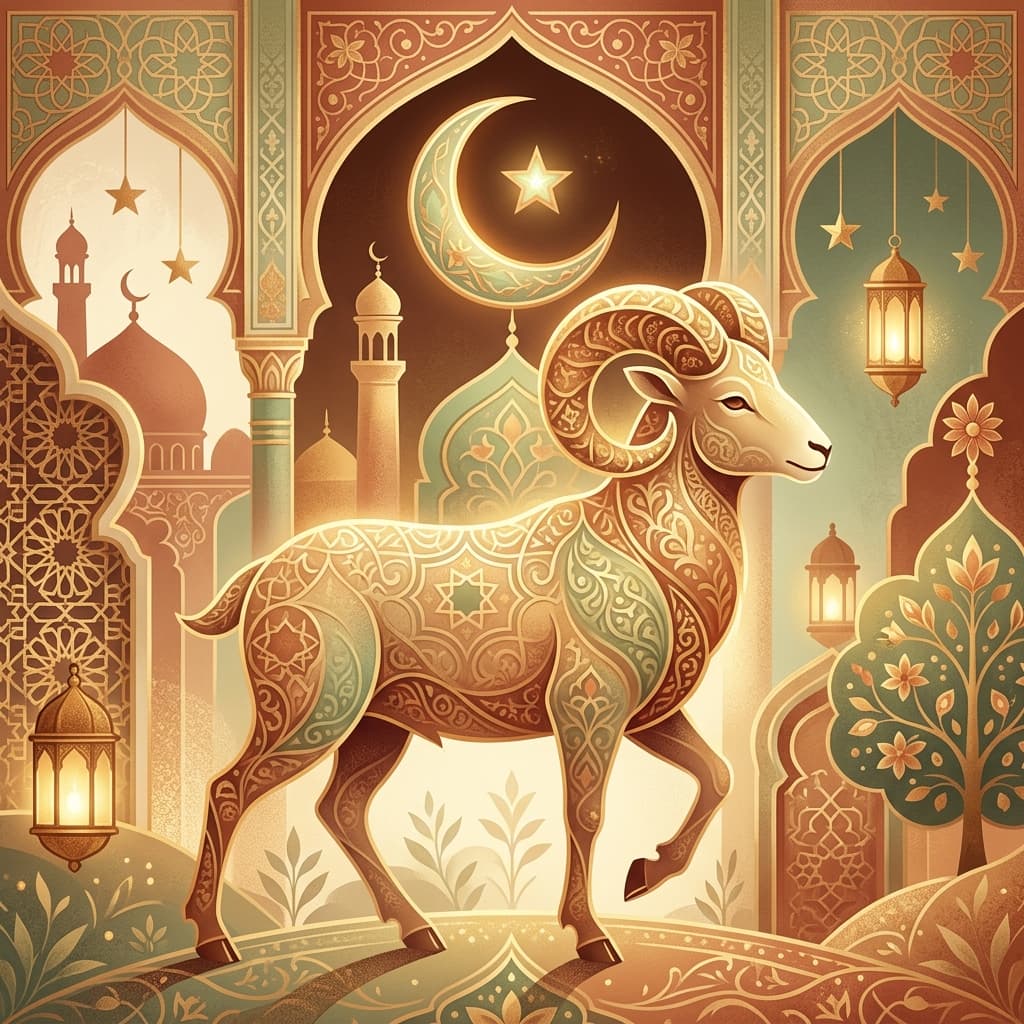
As Ibrahim prepared to submit to the command, Allah replaced Ismail with a ram, sparing the boy's life. This incredible test of faith is honored annually by millions of Muslims around the world who perform Qurbani (Udhiyah) — the ritual sacrifice of an animal (typically a sheep, goat, cow, or camel).
How is Eid al-Adha Celebrated?
Eid al-Adha is a multi-day celebration marked by prayer, community, and sharing. Here are the core practices:
- Eid Prayer (Salat al-Eid): The morning begins with a special congregational prayer held in large open spaces or major mosques.
- The Qurbani (Sacrifice): Following the prayer, those who are financially able perform the sacrifice. This must be done within the specific timeframe of the 10th, 11th, 12th, or 13th of Dhul Hijjah.
- Distribution of Meat: The meat from the sacrifice is strictly divided into three equal parts:
- One-third for the family.
- One-third for relatives and friends.
- One-third donated directly to the poor and needy.
- Takbeerat al-Tashreeq: Muslims recite special praises to Allah after every obligatory prayer starting from the morning of the Day of Arafah until the afternoon of the 13th of Dhul Hijjah.
The Connection to Hajj
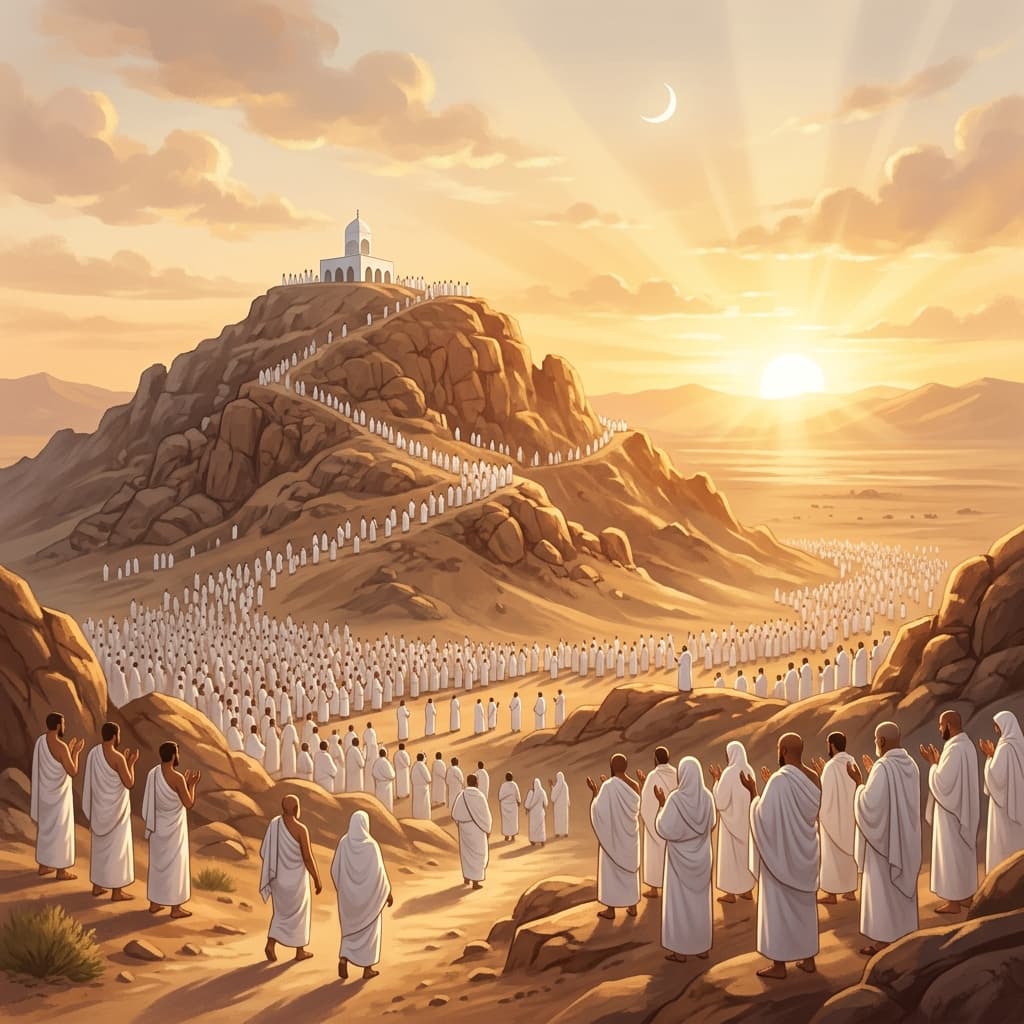
Eid al-Adha is inextricably linked to the Hajj, the annual Islamic pilgrimage to Mecca. While millions of pilgrims are completing the core rites of Hajj — such as stoning the Jamarat (pillars representing the devil) in Mina — Muslims globally join them in spirit by performing the Eid prayer and the Qurbani on the very same day.
Frequently Asked Questions
Ready to outrank your competition?
We help Nepali businesses build high-converting websites and dominant SEO strategies tailored for the local market.
Last updated: May 20, 2026